
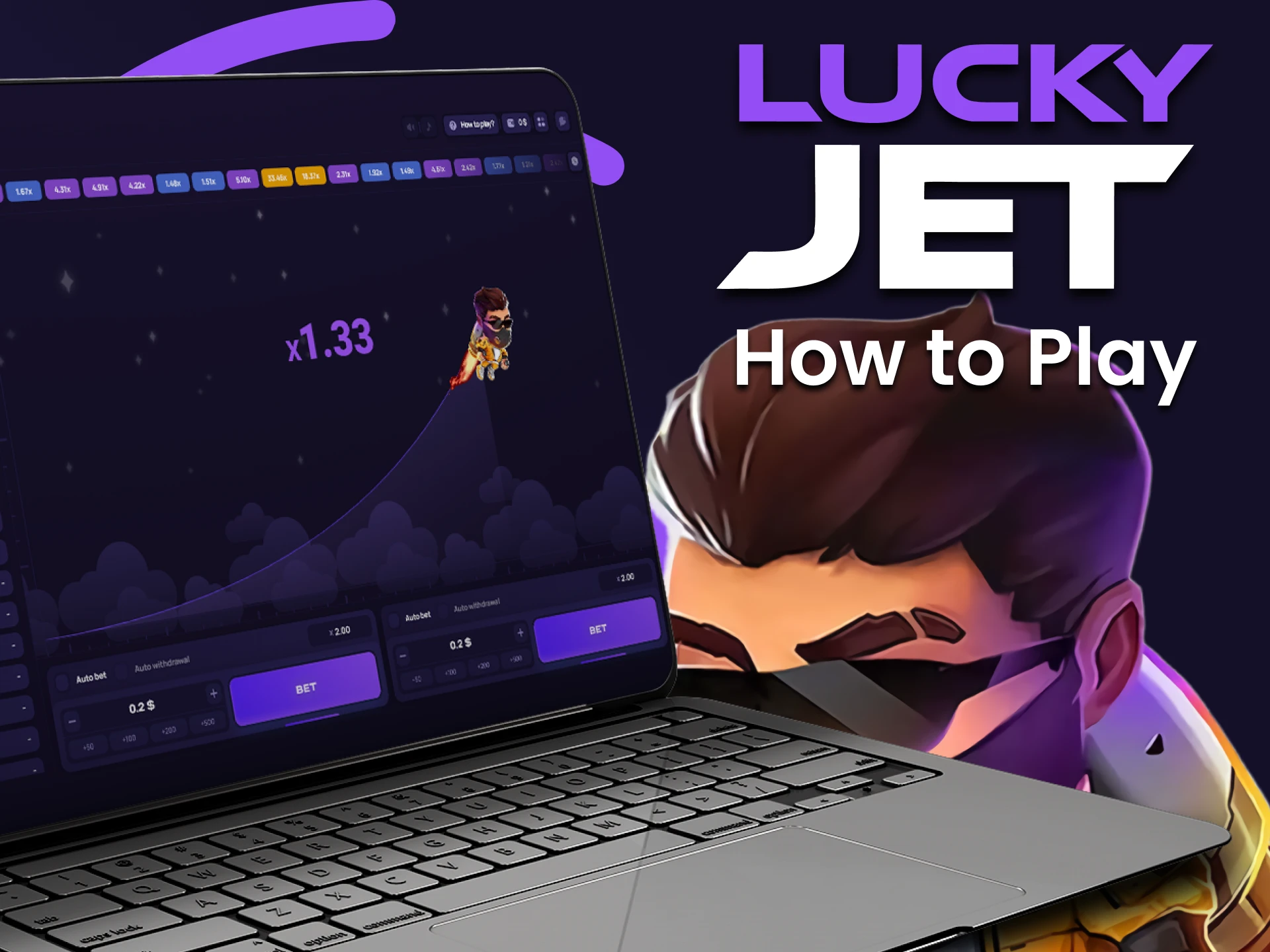
Digital gaming moves quickly, and its consequences are never certain. game lucky jet cashoutrs often search for more substance than just number crunching or tracking wagering trends. They can find a sturdy, time-tested structure in Stoic philosophy, which instructs emotional mastery, attention, and resilience. This article examines how the key principles of Stoicism apply directly to playing Lucky Jet. Embracing a Stoic outlook enables a player transform their whole strategy. They understand to handle the game’s built-in highs and lows with a steady composure and a structured approach. The aim isn’t to promise a win every time. It’s to build an personal resilience that makes the experience more considered, more pleasurable, and a sustainable activity, no matter what happens in any individual round.
Embracing the Destiny of Every Round
One core Stoic notion is “Amor Fati,” which translates to loving your fate. This goes further just acknowledging what happens. It means embracing every event, good or bad, as a necessary part of the larger picture. For someone engaging with Lucky Jet, this requires cultivating an attitude that embraces every outcome of the jet’s flight. Cashing out early for a profit and watching the jet crash before it hits your target multiplier should both be received with the same constructive look. Each result is a bit of information, a lesson, and a vital part of the gaming session. This philosophy eliminates the harmful mindset that sees losses as purely bad and wins as the only good outcome. Instead, every round becomes a rewarding experience that instructs us something and builds our approach stronger.
Using Amor Fati changes the emotional tone of the game. The nervous tension that often mounts as the multiplier goes up gets replaced by calm watching. When we discover to love the fate of each flight, we take the pain out of losses and the addictive high out of wins. A loss turns into a chance to hone bouncing back and to assess how solid our money rules are. A win becomes a proof that our disciplined process works, not a reason for losing control. This mindset promotes a long view, where the value stems from steadily following your principles, not from the temporary result of one bet. It enables us approach Lucky Jet as an exercise in character, not just a hunt for money.
The Stoic’s Bankroll: Prosperity and the Principle of Stewardship
For a Stoic, outside matters like money were “preferred indifferents.” They carry no moral value in themselves—they never make us good or bad—but it’s normal to want them rather than not, as long as we get and handle them wisely. A Lucky Jet bankroll matches this description exactly. The money is indifferent. The virtue manifests in how we handle it. Stoic gameplay, therefore, places the highest importance on the ethical and sensible management of funds. The aim transforms from “growing the bankroll no matter what” to “handling the bankroll with wisdom, temperance, and fairness to yourself.”
This thinking demands a strictly principled method for financial stakes. We determine a separate entertainment budget, money apart from what we require for essentials. We treat it like the price of the experience itself. Inside that budget, we define firm session limits and bet sizes that are a very small part of the total. This allows us endure the volatility. The virtue is proven by following these self-made laws, not by the final number. A session where we drop our pre-set limit but stay precisely to our rules is, from a Stoic view, more successful than a session where we earn a lot but through reckless, uncontrolled betting. The bankroll becomes a practice field for the key virtue of temperance.
Looking Down from Above: Keeping Perspective on the Game
Followers of Stoicism practiced an exercise known as the “View from Above.” It was intended to give clarity by pulling back from your present situation. You might picture looking down on your city, then your country, and eventually the whole world, realizing how insignificant your own troubles are in the big picture. Employing this with Lucky Jet is a powerful antidote for the tunnel vision gaming can produce. In the heat of a playing period, one bet can feel like the most important event in the entirety. The View from Above reminds us that this round, this gaming period, and also this pastime, is a minor, fleeting pursuit in the enormous context of our entire existence.
This perspective helps keep a balanced connection with the pastime. It discourages us from over-identifying, where our self-esteem gets connected to how we fare in a contest of luck. It reinforces us that Lucky Jet is just one form of recreation out of many, a short pause rather than a central life goal. When we pull away, we view our gaming next to our work, our connections, our other hobbies, and our duties. This expansive perspective organically steers us toward moderation, better time management, and a sense of measure. A setback gets placed in frame as a minor incident in a seven-day period packed with numerous things. This practice is key for maintaining balance and making sure seeking enjoyment doesn’t unintentionally damage other, more important areas of living.
The Architecture of a Stoical Gaming Session
The ultimate aim of Stoic practice is to create an “Inner Citadel,” a mental fortress that remains composed and virtuous even when outside things are disorderly. A Lucky Jet session, with its rapid rounds and varying fortunes, works as a perfect modern training ground for developing this. Each round is a drill. A climbing multiplier probes our discipline against greed. An early crash probes our resilience against frustration. A successful cash-out challenges our humility against pride. The whole session is a ongoing practice in using the principles of control, assent, and perspective in real time. We conduct this training by remaining consciously attentive of our internal state the whole time. We observe our thoughts and feelings from a small distance, identifying them without letting them rule us. We make tiny breaks between rounds to reset, consciously letting go of the last flight’s result before starting the next one.
This practice converts gaming from a receptive, responsive activity into an dynamic, deliberate exercise in self-control. The actual win doesn’t appear on your balance sheet any longer. It’s recorded in the level of your attention, the stability of your click, and the peace in your head as you traverse the unpredictable flight paths. The game becomes a vehicle for reflective practice. A Stoic method structures the whole gaming experience into clear phases, each with its own point. The pre-session is for thinking and establishing rules. Here we do Premeditatio Malorum and establish inviolable financial and strategic limits. The active session is the arena for the exercise of agreement, where we carry out our strategy with concentrated detachment, observing our impulses without acting on them. The post-session is reserved for reflection, a quiet time to assess what we did against our standards, clear from the pressure of the moment.
The Practical Use of After-Session Analysis
This three-part system brings order to chaos. It presents Lucky Jet not as a shapeless pastime but as a intentional discipline with a commencement, a midpoint, and an end. The most neglected yet crucial part is the reflective stop after gaming. Here we apply the View from Above on our own conduct. We raise unbiased queries. Did I obey my rules? Where did my impulses feel most intense? Did I preserve my mental balance? This isn’t a accusation exercise. It’s a analytical review, like an athlete analyzing game video. This synthesis step is where real learning and character development take place. It completes the circuit, making sure every game, victory or defeat, helps reinforce our Inner Citadel. It renders us more composed and disciplined participants, and individuals, going ahead.
The deliberate pause is more than an abstract concept. It demands a concrete method to work. We propose a disciplined five-minute check done away from the game screen. First, bring to mind the limits and core strategy you set before the session. Second, mentally go over the key decision points, especially instances where you felt an intense emotional draw, and note what you actually did. Third, measure those actions to your pre-set rules without commending or criticizing yourself. Fourth, pick out one specific observation for next time, like recognizing that greed feels strongest after two wins in a row. Finally, consciously end the session, figuratively putting it to rest to stop yourself from ruminating. This disciplined reflection converts experience into wisdom. It guarantees you keep moving forward in your Stoic practice.
Stoická příprava: Preparing for Volatility
Stoický postup of “Premeditatio Malorum,” or the anticipace of troubles, means důkladně promýšlet possible komplikace to snižit their emotional shock and to připravit your response. For Lucky Jet, this is a key taktická pomůcka. Before zahájením a session, a Stoic hráč will záměrně uvažovat about špatné scénáře. They will mentálně trénovat a sérii proher in a sledu, představit si the jet crashing at very low multipliers again and again, or předvídat the pocit of propuštění a cash-out point by a tiny částku. This isn’t being negative. It’s a kind of emotional and strategické vakcíny.
By konfrontovat these possibilities ahead of času, we take away their schopnost to překvapit or throw us off later. When a streak of losses nastane, it isn’t a devastating šok. It’s to, co we’ve already promysleli calmly, and we máme a strategií for it. This příprava directly ovlivňuje bankroll řízení, the most konkrétní využití of this konceptu. Uvědomění that špatné série are certain, we racionálně určíme in předem what podíl of our prostředků to risk per session and per sázku. This makes sure no realistic losing série can smazat our resources. This praktika utužuje the psychiku against strach. It keeps our jednání vedené by what we rozhodli, not by the zmatek of a moment’s bad neštěstí.
The discipline of Agreement: Managing Impulses in Real Time
Stoic thought discusses a strong mental stage called the discipline of approval. It describes the short interval between something happening and our assessment of it. In Lucky Jet, this takes place in the crucial seconds as the multiplier rises. The first emotion might be greed (“I should let it go higher”) or anxiety (“I need to cash out now”). An uncontrolled mind accepts these urges right away, causing choices that violate a strategy made earlier. The Stoic participant, however, inserts a stop. They detect the urge as it emerges, identify it—a proposal from their feelings—and then intentionally select whether to endorse it, according to logic and their set strategy.
This live mental management is the working heart of Stoic gaming. It prevents you from running after losses after a unexpected crash or increasing your bets during a hot streak. By implementing this break, we put distance between ourselves and the direct flow of our sensations and emotions. We allow for our rational, pre-established rules to take charge. For instance, if your plan is to cash out at 2x, seeing the multiplier hit 1.9x might provoke a strong impulse to delay. The principle of assent lets you detect that urge, name it as greed, and then purposely pick the action that matches your plan: cashing out. This constant, micro practice of self-control is where theory becomes execution on the gaming screen.
The Basis of Stoic Thought: Recognizing What We Can Control

The essence of Stoicism is the dichotomy of control, a principle the philosopher Epictetus popularized. It draws a line between what we can influence and what is not. This line is crucial in Lucky Jet. We have complete command over our own actions, choices, and reactions. We select our bet size. We choose when to cash out. We establish our session limits and our overall budget. We govern how much we prepare, how well we study the game’s rules, and how faithfully we stick to a strategy we chose beforehand. The rest falls outside that circle. The exact multiplier where the jet disappears, the result of any given round, the random order of wins and losses—these things are not up to us. A Stoic player directs their energy solely into the first category, facing the second with calm acceptance.
This acceptance isn’t giving up. It’s an active, rational recognition of how things really are. Once we truly understand that the jet’s flight path is entirely random, we stop spending emotional energy on results we can’t change. Feeling angry about a “near miss” or overjoyed by a “lucky win” are just reactions to outside events. They don’t say anything about our worth or our ability. The spotlight turns to the quality of our decisions. Did we follow our cash-out plan? Did we oversee our bankroll smartly? If we judge ourselves based only on these controllable factors, we build a base of discipline and self-respect that the game’s randomness cannot disturb. This shift in thinking is the first and most important step in applying Stoicism to Lucky Jet.
Stoikova Odolnost Vůči Gaming Fallacies
Velkým problémem u her jako Lucky Jet is lidská habit důvěřovat poznávacím omylům, like hráčský omyl či the illusion of control. Stoická moudrost, se svým zaměřením na logiku a vidění skutečnosti přesně, dává pevnou obranu proti těmto mistakes. Hráčský omyl is mylné přesvědčení, that past independent události change future ty, like očekávat pád protože došlo k více vydařených kol za sebou. Stoicismus tomu čelí by reinforcing poznání, že každé kolo is a separate random událost. Its outcome is completely unrelated to what happened before. Pocit kontroly je víra, že vaše akce či rituály mohou působit na generátor náhodných čísel. Stoicismus breaks this down neustálým vracením zaměření zpět na skutečné místo řízení: naše úsudky a volby, not the game’s algorithm.
Přijetím stoického závazku vidět svět takový, jaký je, ne jaký ho chceme mít, we protect ourselves proti těmto klamnými způsoby myšlení. Když pociťujeme pověrčivé svědění upravit okamžik výplaty because of a “pattern” který jsme údajně zaznamenali, můžeme to rozpoznat jen jako dojem k prozkoumání, ne pravdu, podle které jednat. Tento jasnozřivý realismus guards both our bankroll a náš duševní klid. Dovoluje nám vychutnat si opravdovou hodnotu zábavy hry—vzrušení, proces rozhodování, vizuální podívanou—aniž bychom se stali otroky klamných vyprávění about luck or skill kde neexistují. Tato pevnost nás proměňuje z ohrožených hráčů into grounded observers. We play the game aniž bychom byli ovládáni svými vlastními zkresleními.
Použití stoické moudrosti pro hru Lucky Jet nabízí proměňující strukturu. Klade sebeovládání nad pomíjivou náhodu. Zaměřením se na to, co můžeme ovlivnit—naše volby, our reactions, naši připravenost—we free ourselves obav z nahodilosti. Koncepty jako Amor Fati and the Discipline of Assent dávají praktické nástroje pro pohyb skrze proměnlivostí hry s klidem. Praktiky jako Premeditatio Malorum and the View from Above zajišťují, že naše zapojení je trvale udržitelné and balanced. V konečném důsledku, tento postoj nově definuje what success means. Hodnotí ho not by money piled up, but by resilience built, projevenou disciplínou a udrženou emoční rovnováhou. Tímto proměňuje každou hru v příležitost k osobnímu rozvoji. It makes herní zážitek z Lucky Jet more enjoyable a vnitřně more meaningful.